Mind
Psychology · Philosophy · Human behavior
Psychology, philosophy, self-knowledge, cognitive bias, personality, power, and human behavior.

Latest from the journal

Name the Feeling Before It Writes the Story
Separate an emotion from its first explanation so the next action can use more accurate information.

Ask What the Story Makes Easier
Incentives do not make every moral judgment cynical or corrupt. But they can shape which facts receive attention, which principles rise to the surface, and which version of events seems most reasonable. A practical philosophy begins by asking what a story permits, protects, and costs.

When the First Explanation Protects Something
A coherent account of why you acted can feel like insight. Sometimes it is. But when an explanation arrives instantly, flatters your identity, and asks nothing of you, it may be doing a different job: reducing uncertainty, protecting status, or keeping a difficult choice out of view. Better self-knowledge begins when we treat our first story as a hypothesis rather than a verdict.

When Vague Rules Keep Someone in Charge
Unclear expectations are sometimes ordinary uncertainty. But where power is uneven, vagueness can also preserve discretion for one person while making everyone else responsible for guessing the rules.

The Person You Become When Someone Is Watching
Being observed does not automatically make you false. It can change the social problem you are trying to solve—and the particular audience may matter as much as the task in front of you.

Let the Feeling Speak Before You Let It Decide
A feeling can be real, urgent, and worth listening to without being a final verdict on what happened, what someone meant, or what you should do next.

Remembering You Could Be Wrong Changes What You Check
Use fallibility as a reason to investigate consequential claims without collapsing into performative uncertainty.

Familiar Is Not the Same as True
Notice when repetition creates familiarity without adding evidence, then check claims proportionately.

A Vivid Memory Can Still Need Checking
Separate memory confidence, checkable details and interpretation without using uncertainty to dismiss harm.

When Defensiveness Is Carrying a Contradiction
Cognitive dissonance need not feel like a tidy clash of beliefs. It may show up as irritation, certainty, a fast counterargument, or an urge to leave the room. None of those reactions proves you are wrong—but they can be prompts to examine what is at stake.

The Inner Weather of a Threatened Belief
Cognitive dissonance rarely arrives with a placard reading “I am protecting my self-image.” In ordinary life, it may show up as irritation, urgency, unusual certainty, shifting standards, or an exhausting need to explain why inconvenient evidence does not quite count.

You Are in the Pattern, Not Necessarily the Problem
A recurring disappointment may contain information about your choices, expectations, and environment. It does not prove that you caused everything that happened—or that there is something fundamentally wrong with you.

Follow the Cost, Then Ask Who Gets a Say
A practical framework for examining hidden power: map who defines a decision, who benefits from it, who carries its costs, and who is answerable when it goes wrong.

Notice When Your Standard of Proof Starts Moving
The hardest claims to judge fairly are often the ones that threaten a hope, a loyalty, a self-image, or a plan. The task is not perfect detachment. It is noticing when rigor may be functioning as a shield rather than a method.

Write Down What Would Change Your Mind
Make a belief easier to examine by naming the observation that would count against it before the next argument begins.

Look for the Situation Inside the Trait
Personality can describe an average tendency without explaining every moment. Look at the setting before turning behavior into identity.

Ask What a Rule Makes Easier
Before attributing a repeated behavior to character, examine what the surrounding rules reward, discourage, and leave invisible.

Ask for an Example, Not a Verdict
Useful feedback describes something you can examine. Ask for an example, its context, and the limits of the observer's view.

Put a Value on Your Calendar
Translate a value into a small, chosen action while leaving room for constraints, revision, and competing responsibilities.

The Story Your Brain Writes Before You Act
You don't rationalize your choices after the fact. You build a moral narrative in advance that makes the choice feel inevitable. Here's how to tell the difference between your values and your self-protection.

Your Behavior Knows Things You Don't
Your self-narrative is a story you tell, not a record you keep. The most reliable evidence about who you are and what you want is already available in what you consistently do.
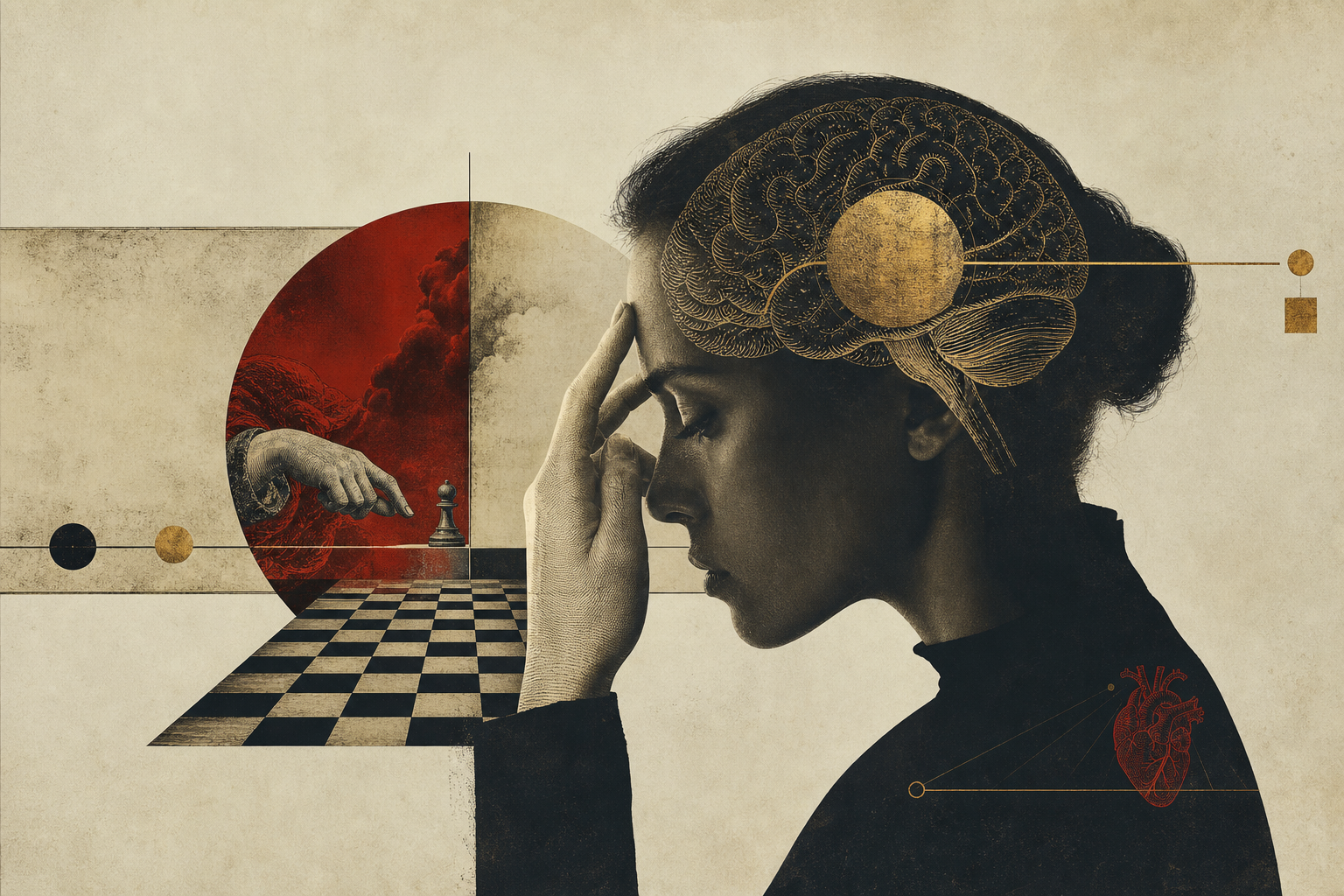
A Philosophy You Can Use on Tuesday
Most ethical frameworks dissolve the moment a deadline hits or a partner snaps. The gap between what you believe and what you do is not a moral failure; it is a design problem. Here is how to build a philosophy that survives contact with reality.

Introspection Needs a Second Witness
We often mistake the comfort of a narrative for the accuracy of one. True self-knowledge requires testing our internal explanations against external reality, behavioral patterns, and the honest feedback of others.
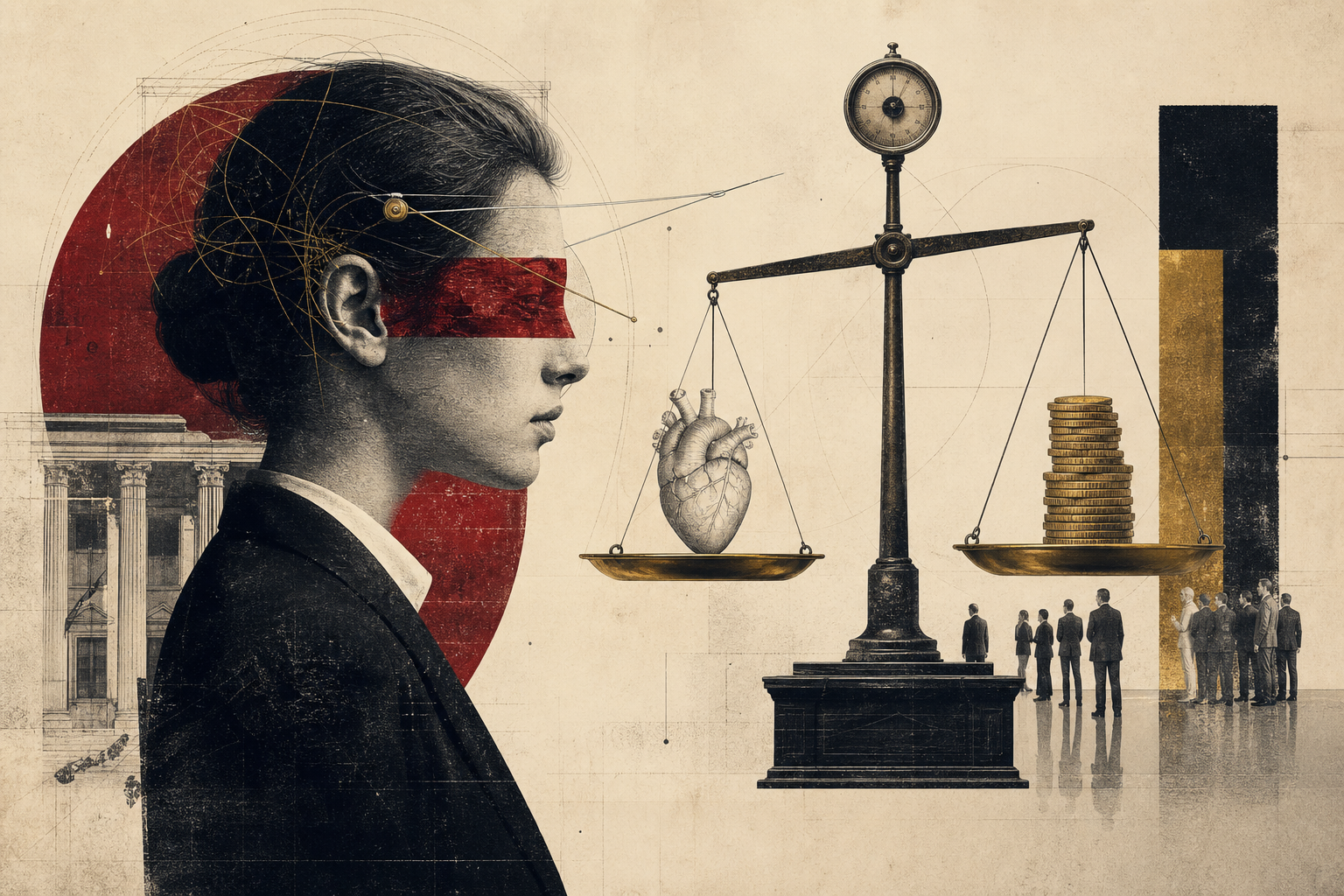
Watch What the System Rewards
We often blame individuals for moral failures, but the architecture of incentives usually drives the outcome. Understanding the gap between stated values and actual behavior requires looking at the structural pressures that make deviation costly.

The Mind Prefers a Clean Story
We often believe we are analyzing our relationships with cold logic, but we are actually curating a narrative. Understanding the gap between what happened and what we tell ourselves is the first step toward honest judgment.

Personality Enters Through the Situation
Why your most reliable trait can vanish in a new room, and how to stop mistaking a single moment for your whole self.
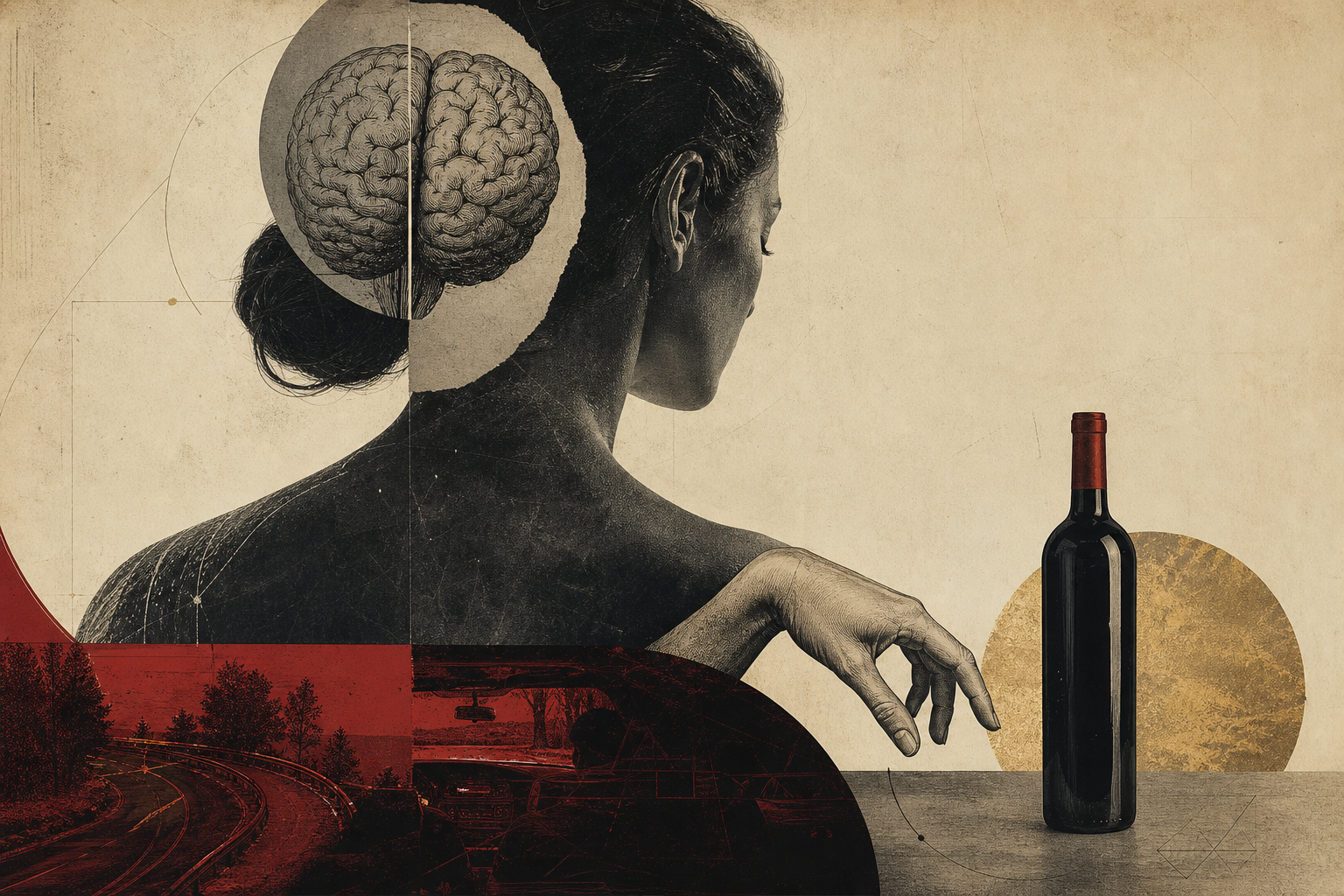
You Don't Know Why You Do What You Do
Your internal narrative is a reconstruction, not a recording. The evidence suggests your repeated choices are a more honest witness than your feelings.

Feelings are data, not verdicts
Your reaction matters. It also benefits from cross-examination.